Health & Development
Early Intervention: Why the First Five Years Matter
Speech, movement and play in the early years lay the foundation for learning. A look at therapies that help and how families can support them at home.
ALAN T21 Holistic Care Team 4 min read
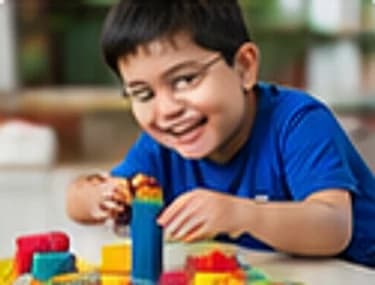
A child's brain develops faster in the first five years than at any other time. For children with Down syndrome, structured support during these years builds strong foundations for communication, movement and independence.
The core therapies
- Physiotherapy strengthens muscles and helps with milestones such as sitting, crawling and walking.
- Speech and language therapy supports feeding, listening and communication — including signs and pictures before words come.
- Occupational therapy builds fine motor and everyday skills like holding a spoon, dressing and drawing.
Therapy happens at home too
Therapists can show you simple activities to weave into daily routines: naming objects during bath time, singing action songs, or practising grasping with favourite toys. Short, playful, frequent practice works best.
Celebrate every step
Children with Down syndrome reach milestones in their own time. Celebrate each one — progress is progress, whatever the timetable.